
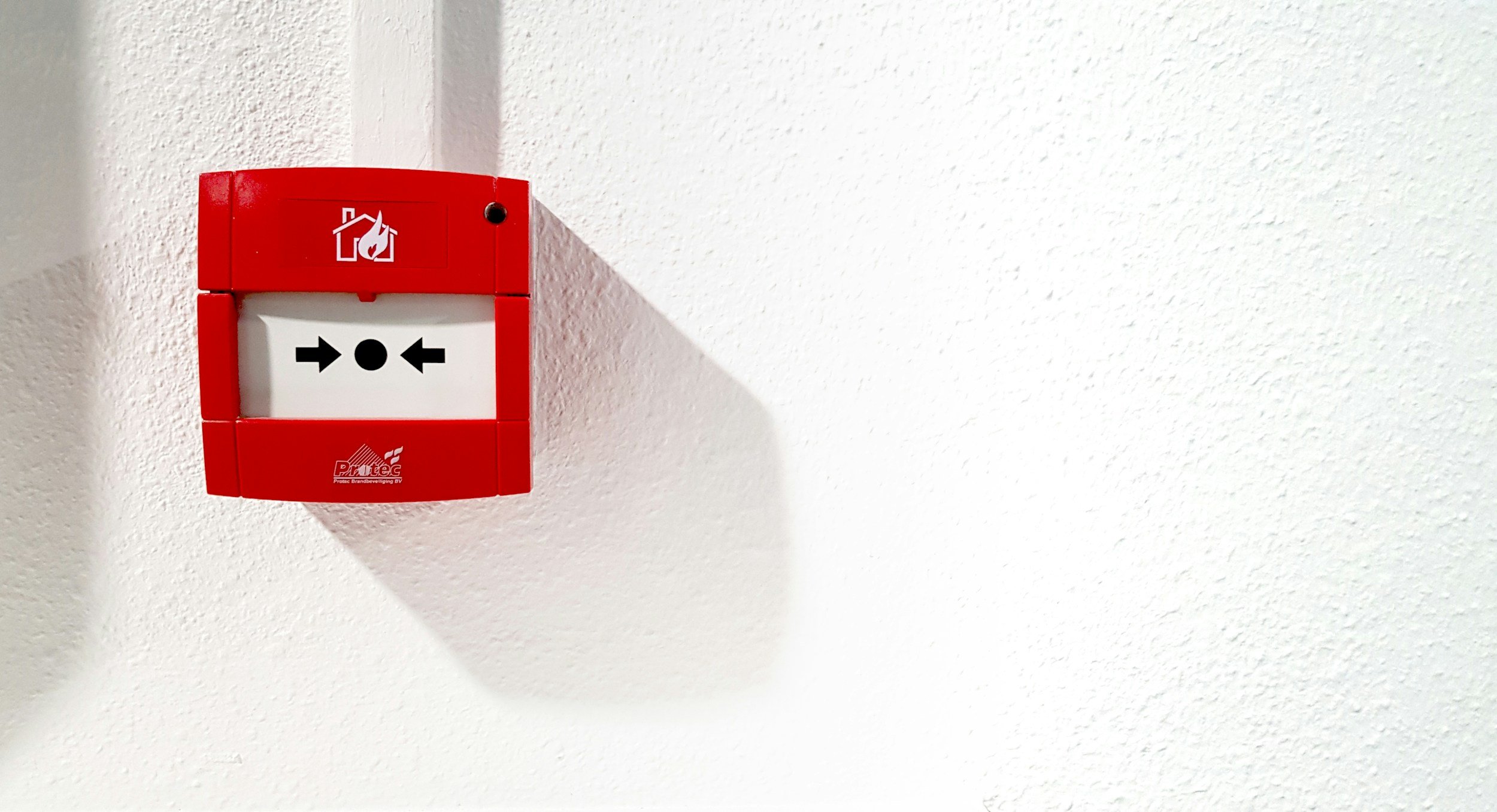
Home electrical fires claim lives every year. Many are caused by improperly installed or damaged wiring, overloaded circuits, or the improper use of extension cords. In other words, many electrical fires are preventable.
Fire risk can increase during the colder months as people spend more time indoors and use more lighting, heating equipment and appliances. For example, portable space heaters can draw about 1,500 watts of electricity, similar to a hair dryer, and are often used for longer periods.
Some of the most serious home fires begin in living areas. Common electrical hazards include space heaters, computers and other electronics, entertainment systems and decorative lighting.
Common electrical causes of home fires include:
Electrical distribution and lighting equipment, including faulty outlets, damaged or outdated wiring, light fixtures, lamps and light bulbs
Overloaded circuits, which can result from plugging too many appliances or devices into a single circuit
Improper use of cords and extension cords, including damaged cords, improper connections and running cords under rugs or carpets
To reduce the risk of an electrical fire and help keep your family safe, follow these simple safety tips:
Update your electrical system or dedicate a circuit to high-powered appliances
Older homes may have a mix of old and new wiring and electrical components. Some older electrical systems may lack proper grounding, which helps provide a path for fault current and can reduce the risk of electric shock when used with appropriate protective devices.
Avoid using adapters, power strips or extension cords to supply more power than a circuit is designed to handle. If a circuit breaker trips frequently, or if lights dim or flicker when you turn on an appliance, have a qualified electrician inspect the circuit.
A qualified electrician can determine whether your electrical system needs an upgrade or whether high-powered appliances should be placed on dedicated circuits. The cost of an electrical upgrade can be far less than the cost of repairing or replacing a home after a fire.
Use appropriate devices to improve protection in older electrical systems
If your home lacks modern grounding or other electrical protection, don't try to correct the problem with makeshift adapters or additional extension cords. A qualified electrician can assess the system and recommend appropriate solutions, which may include properly installed GFCI protection or other electrical upgrades.
Install and test ground-fault circuit interrupters (GFCIs)
GFCIs are designed to help protect people from electric shock by quickly interrupting power when they detect a difference in electrical current. They are particularly important in areas where electricity may come into contact with water, such as kitchens, bathrooms, laundry areas and outdoor locations.
Test GFCIs according to the manufacturer's instructions to make sure they are functioning properly. If a GFCI does not trip when tested, or will not reset properly, have it inspected or replaced by a qualified electrician.
Unplug appliances when appropriate
Unplug portable appliances such as hair dryers and toasters when they are not in use, particularly when they will be left unattended. Keep hot appliances away from countertops, curtains, paper and other combustible materials until they have cooled.
Check wiring and electrical equipment for damage
Inspect cords, plugs, lamps, switches and other electrical equipment for fraying, exposed wires, scorch marks or other damage. If an outlet, switch, plug or appliance becomes unusually hot, produces a burning smell, sparks, or shows signs of damage, stop using it and have it inspected by a qualified electrician.
Unplug power cords with care
Never yank a cord out of a receptacle. Pulling on the cord can damage the plug or wiring and create a shock or fire hazard. Instead, grip the plug firmly and pull it straight out of the receptacle.
Keep cords out of high-traffic areas
Extension cords and other cords placed across walkways can create a trip-and-fall hazard. Keep cords away from areas where they can be damaged by foot traffic, pets or children.
While it may be tempting to cover cords and wires with a rug to keep them out of the way, this can create additional hazards. Damaged cords underneath rugs can overheat or go unnoticed, increasing the risk of fire.
Don't use extension cords as permanent wiring
Extension cords are intended for temporary use and should not be used as a substitute for permanent electrical wiring. If you regularly need an extension cord to power an appliance or device, ask a qualified electrician whether an additional outlet or another electrical solution would be more appropriate.
Check your smoke alarms and replace the batteries
Make sure smoke alarms are working properly, and test them regularly according to the manufacturer's instructions. Replace batteries as recommended, and replace smoke alarms when they reach the end of their service life.
Electrical hazards can pose a serious risk, even at home. Following these safety measures can help reduce the risk of electrical fires and electric shock and help keep you and your family safe.
Protecting what matters
If you have any questions or need clarification about your home insurance policy, don’t hesitate to contact us. Email info@mooneyinsurance.ca or call 705-726-9941 for personalized assistance and to learn more about our comprehensive insurance solutions tailored to your needs.